
By Hon. E. P. Chet Greene
September 27 2026 | Featured Story

The speeches have ended. The motorcades have dispersed and many world leaders are now back in their respective capitals. The General Assembly hall, for one brief week the stage for all of humanity’s grievances and hopes, now stands silent. Yet, for the small island states of the Caribbean, the closing of the High Level Week does not mark the end of anxiety. It simply returns hope from the spotlight to the quiet, patient work of everyday diplomacy.
The addresses of 193 member states this year converged into several clear streams; a crescendo of global views.
First, a weariness with power politics and a longing for rules that hold. Brazilian President Lula, opening the debate, spoke of multilateralism at “a new crossroads”, where violations of sovereignty, arbitrary sanctions and unilateral intervention “are becoming the norm.” Peru, Kazakhstan and others echoed this unease, calling for a Security Council that truly represents and delivers.
Second, Gaza has become a global test of conscience. 157 nations now recognize the State of Palestine. That is 81 percent of the UN membership. In the General Assembly, 142 states backed the Franco-Saudi proposal on Palestinian statehood. Italy’s Prime Minister Meloni said Israel had “crossed the line.” Germany’s Foreign Minister called Gaza “a living hell.” This is a consensus that can no longer be silenced.
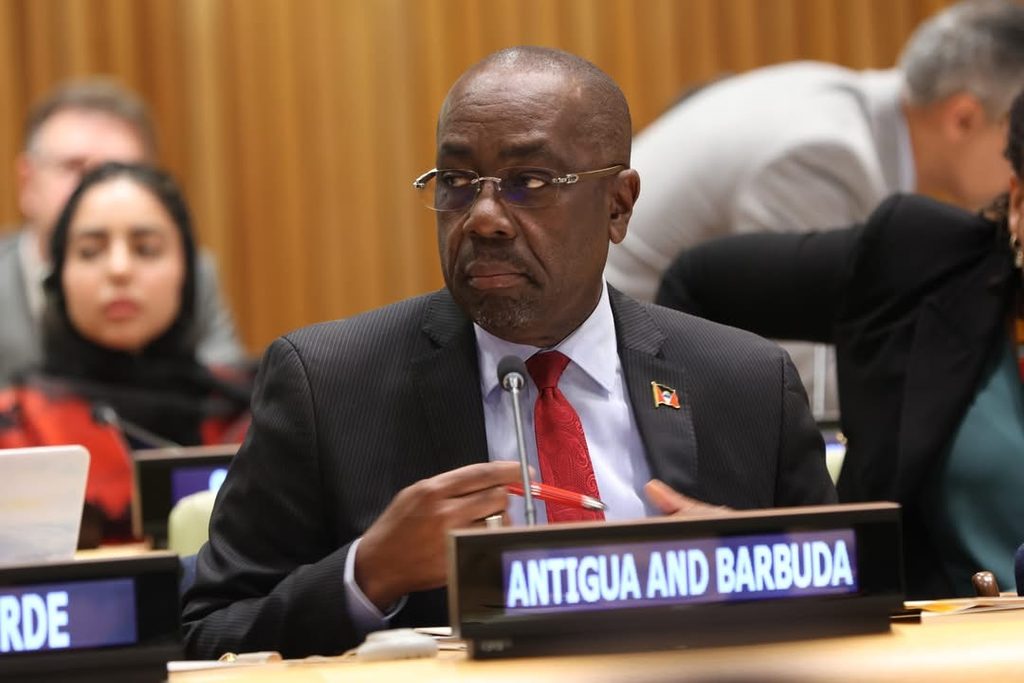
Third, climate justice is no longer a peripheral concern. The words of Antigua and Barbuda’s Prime Minister Gaston Browne made in 2025, rings prophetic as leader after leader this year, doubled back to Browne’s words for accurate and appropriate reference: “Loss and damage is not theory, it is our lived reality.” Speaking for small island states, he called on major emitters to honor climate finance and loss and damage commitments, while reserving the right to seek legal remedies.
Fourth, Iran’s nuclear question hangs between diplomacy and confrontation. President Pezeshkian reaffirmed that Iran “has never sought and will never seek a nuclear bomb”, while accusing the European troika of “hypocrisy.” Pakistan and other Council members urged that diplomacy be given “more time”, warning that renewed sanctions would only complicate the path forward.
Fifth, Cuba’s isolation is being recorded. In the vote that followed the High-Level Week, 165 nations demanded an end to the US economic blockade, with only 7 opposing. This vote, repeated for more than three decades, remains one of the international community’s most consistent voices.
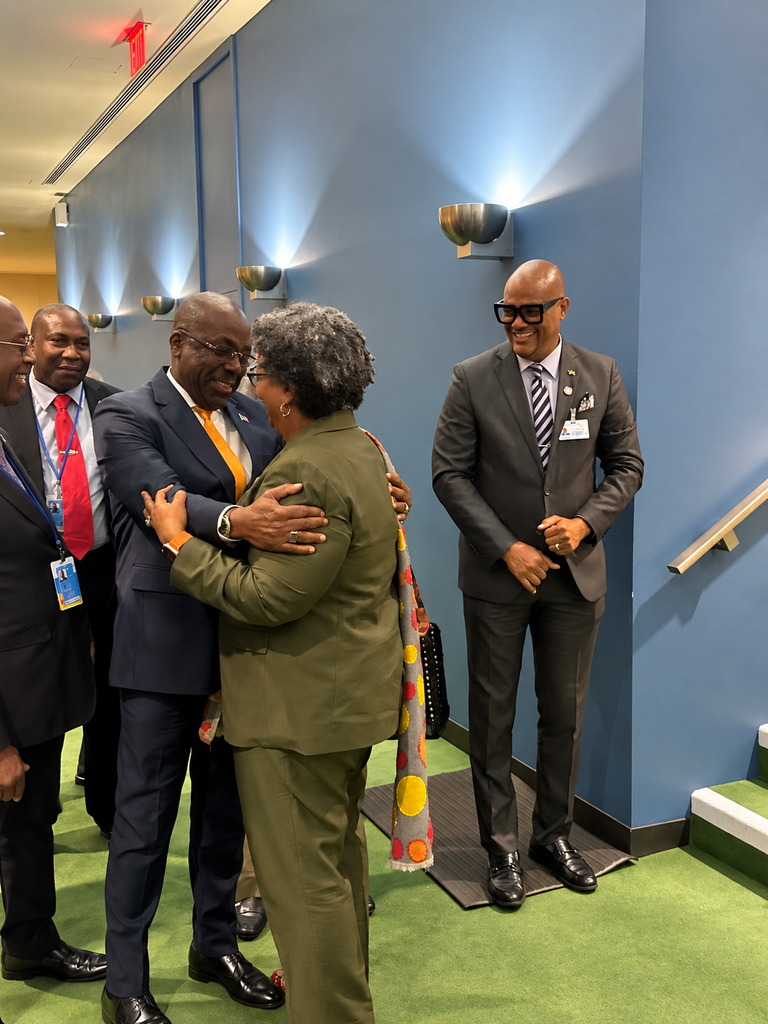
The interventions of CARICOM member states formed a clear thread: peace, security, multilateralism and climate action are all inseparable.
Although Antigua and Barbuda’s Prime Minister Browne did not take the podium this year, his insightful and unvarnished declaration made during last year’s speech formed part of the clarion call by regional leaders that the Caribbean “must never again be used as a theater for proxy conflicts”; a calling for the hemisphere to be respected as “a zone of peace, not a stage for military confrontation.” Barbados’ Prime Minister Mia Mottley warned of a “crisis of truth” eroding national and global institutions and urged a long term support plan for Haiti. She opined the fact that the very mentality which gave rise to slavery still dominates the global stage today. With the use of Haile Selassie’s 1964 UN address, Mottley reminded the global audience just how the world can gain peace.
Bahamas’ Prime Minister Phillip Davis offered a reminder of significant weight: “The United Nations was not born of some noble ideal alone… It was born from the ashes of humanity’s near self-destruction. When nations go their own way, history teaches us that catastrophe follows.”
A halt to military action will not arrive because a podium urged it. However, some signals deserve careful attention: indirect US-Iran contacts resumed on the margins and while the statement on Ukraine saw signatories shrink dramatically to 51 nations, it still maintains a significant enough diplomatic framework.
Is multilateralism still possible? The answer may lie not in whether great powers are willing to compromise but in whether small states can persist. Antigua and Barbuda will host the Commonwealth Heads of Government meeting and global summits on mental health and eye health later this year and Prime Minister Browne has rooted his mental health advocacy in personal experience. These concrete initiatives say more about a nation’s weight than any Security Council stalemate.
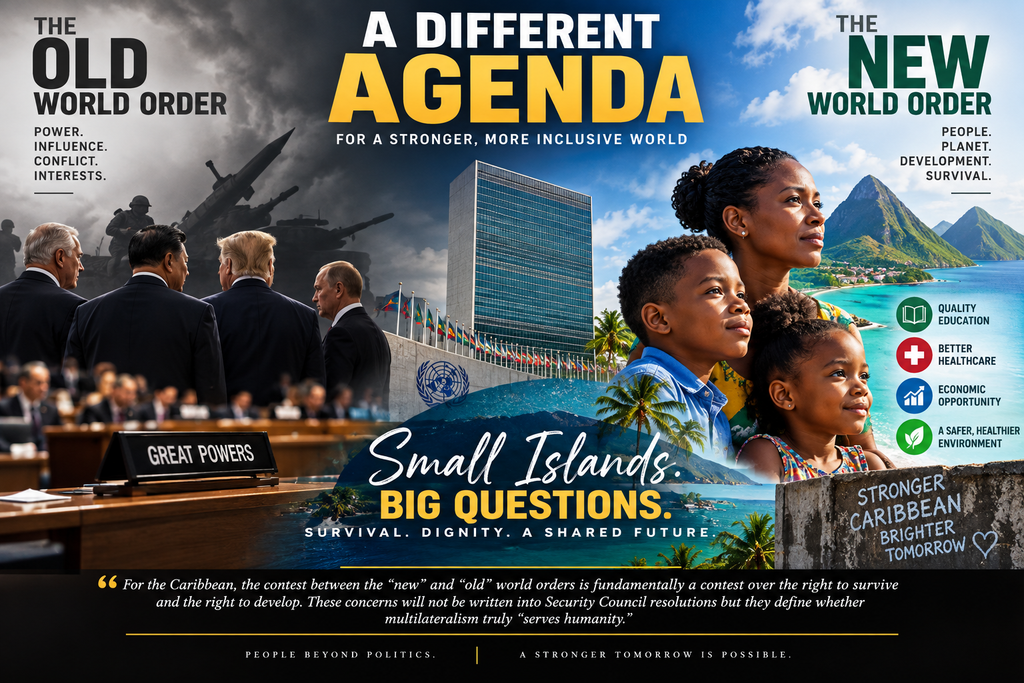
For the Caribbean, the contest between the “new” and “old” world orders is fundamentally a contest over the right to survive and the right to develop. While great powers discussed spheres of influence in New York, small island states discuss whether their coastlines will hold, whether their children will learn, whether their sick will be cared for and whether they can survive the effects of imported inflation. These concerns will not be written into Security Council resolutions but they define whether multilateralism truly “serves humanity.”
The world did not march toward Armageddon in New York but neither was it saved there. The possibility of salvation lives in every climate finance pledge that is honored, in every Gaza child allowed back into a classroom, in the fact that the Caribbean Sea has not been militarized. The General Assembly has adjourned. The work has only just begun.
