
By Hon E.P. Chet Greene
August 16 2026 | Editorial

Last week, I addressed the imperative of a cultural renaissance. This week, I will ground that vision in the soil and sea of Antigua and Barbuda. The time has come to move past theoretical discourse and into practical action.
The question is no longer if we should transform our agricultural sector but how quickly we can move from aspiration to execution. The numbers are stark and demand urgency. Agriculture’s contribution to our GDP, though improving, is unacceptably low. Government has set an ambitious target of 7% by 2030 and on its current trajectory this is doable. This is achievable but requires a national commitment to a fundamental shift in how we view farming, fishing and food production.
For too long, we have been passive consumers of imported food.
The government has unveiled a bold vision: new abattoirs to target our $175 million annual livestock import bill, solar farm lighting to extend productivity and the acquisition of the Ken’s Club property for a major wholesale outlet with cold storage and an agro-processing facility. These are concrete, funded investments. Truly renaissance.
The establishment of an Agro-Industrial Park at Diamonds and an Agro-Eco Park at Christian Valley will combine agriculture with light manufacturing, packaging and eco-tourism and this is where the renaissance takes shape. We are moving from exporting raw materials to producing finished goods with “Made in Antigua and Barbuda” labels.
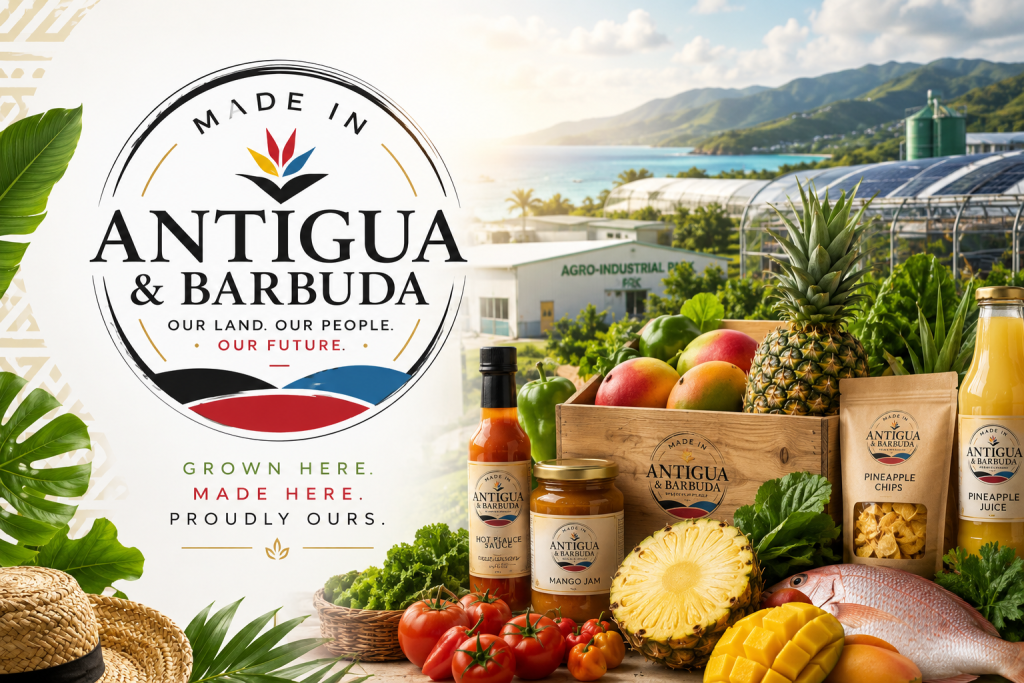
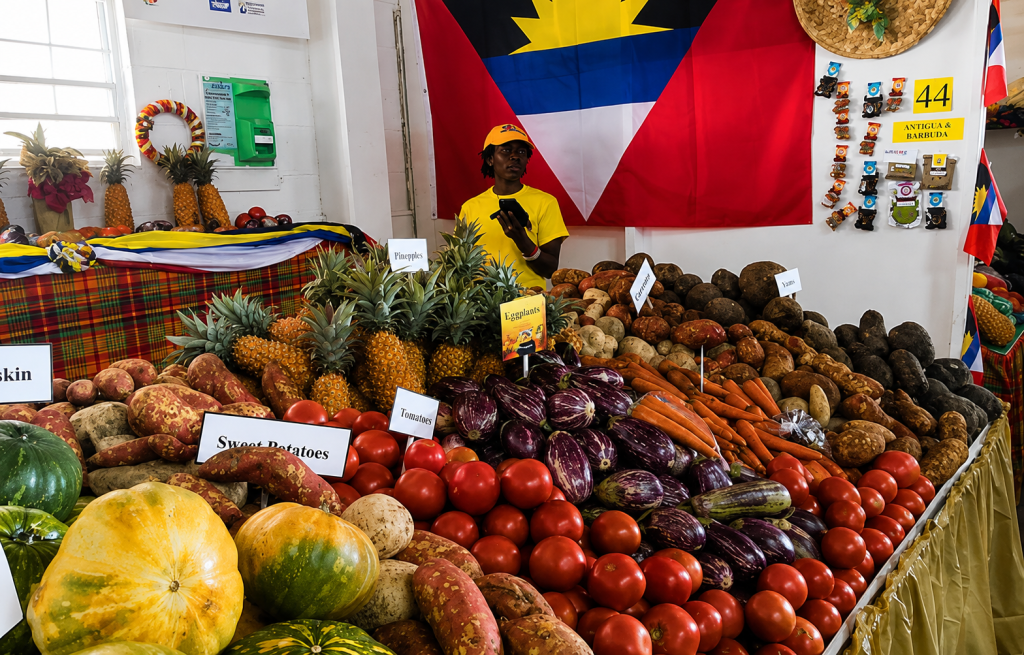
Our locally grown fruits and vegetables to include the world-renowned Antigua Black Pineapple and our sweet mangoes, must form the foundation of a robust value added ecosystem.
We must transform our produce into juices, jams, jellies, sauces, wines, pastries and packaged foods. The talent exists. Every year, entrepreneurs launch juice companies, hot sauces and locally crafted spirits.
Admittedly, we face a psychological barrier: the unconscious acceptance that “locally made” means lower quality. This mindset must change. We should all take pride in products from our soil and sea. As the success of our egg industry where local suppliers now provide in excess of 90% of domestic consumption, we can compete and win.
The example of Michael Joseph, our 21 year old CARICOM Young Farmer of the Year, shows the potential. His plan to launch a tomato paste line using surplus produce demonstrates how we can move from primary production to full scale agribusiness.
This renaissance must extend to our fisheries sector. Traditional wild catch is no longer sufficient. We are now turning to aquaculture and aquaponics as sustainable solutions. Through international partnerships, we are developing modern fish farming systems. The Indies Greens aquaponics farm, with FAO support, now produces approximately 24,000 pounds of tilapia annually and 3,500 heads of lettuce per month. This is the model; our renaissance beckons.

We must aggressively secure investments, both local and foreign to exploit our national development potential. Our strong commitment to human rights and legal openness positions us as a regional leader in ethical development. This must extend to agriculture, where public-private partnerships are essential. The Inter American Institute for Cooperation on Agriculture is already supporting key projects. We need more such partnerships.
Any wait and see approach is an abdication of responsibility. We must support local producers. We must invest in our agricultural potential. We must create a nation where supermarket shelves are filled with products proudly labeled “Made in Antigua & Barbuda” and purchases prioritized. Our young farmers are buying into a vision for which the foundation has been laid by our government. I implore us to catch the vision as a people. The rest of the region is watching. Failure is not an option.

Next week, I will continue exploring our renaissance by examining the modernization of our tourism product and its integration with local agriculture and manufacturing. This is indeed an exciting period to be a citizen of Antigua and Barbuda.