
SUNDAY, NOVEMBER 8, 2026 · ISSUE 113
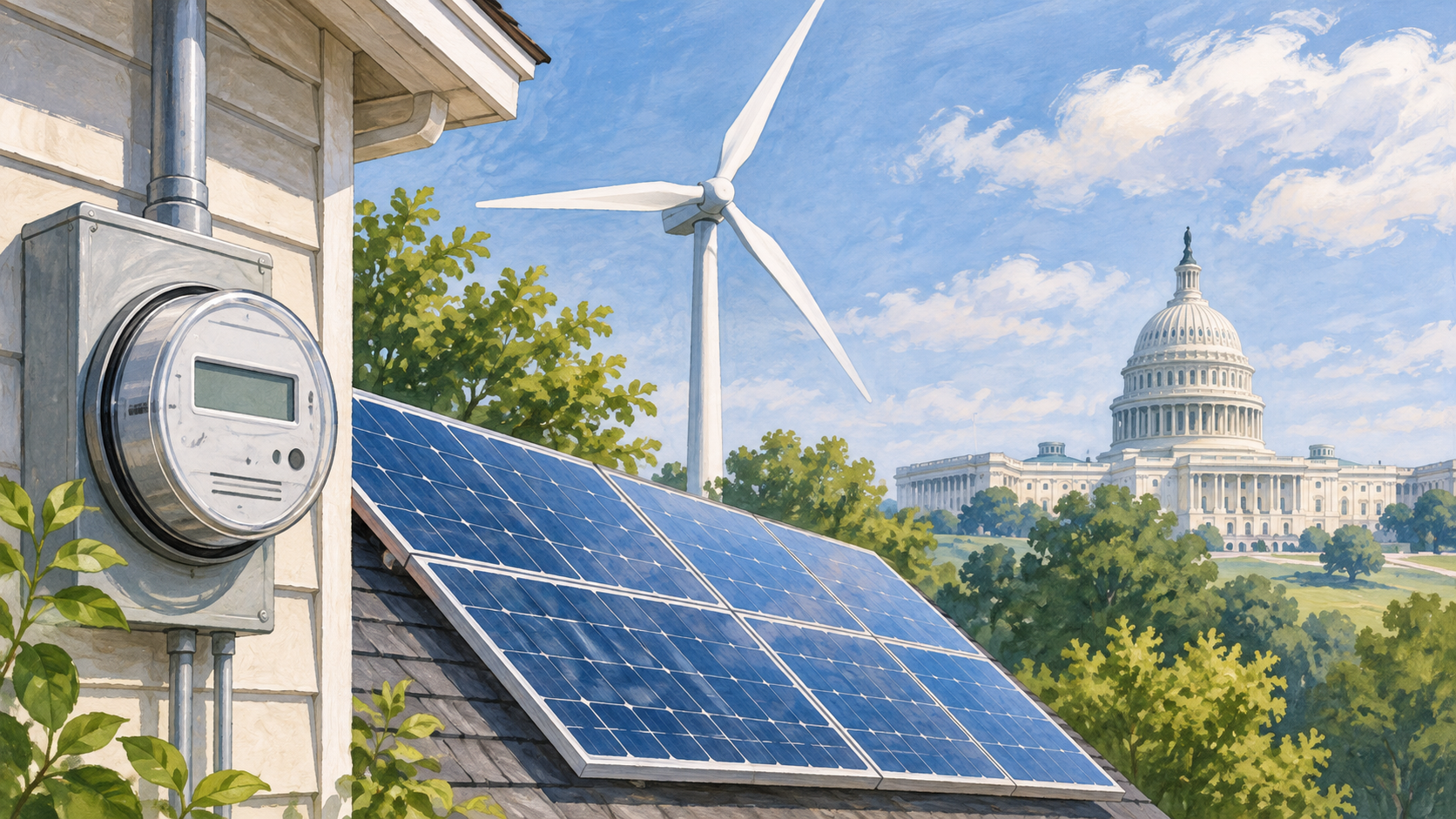
Democrats in the United States are preparing to make clean energy expansion a major legislative priority as they prepare to take control of Congress in January, with a focus on reducing rising energy costs and challenging President Donald Trump’s continued support for fossil fuels.
Following their victories in last week’s midterm elections, Democrats are expected to use their new majorities in the House of Representatives and Senate to advance policies aimed at promoting renewable energy, addressing climate change and reversing several environmental policy decisions made by the Trump administration.
Although clean energy and climate action have traditionally been central to the Democratic Party’s agenda, these issues did not feature prominently during the recent election campaign, which focused heavily on economic concerns and affordability.
With control of Congress, Democrats will have greater opportunities to launch investigations, conduct hearings and scrutinise the administration’s decision to roll back climate policies, cancel clean energy grants and withdraw support for renewable energy projects. They are also expected to explore restoring incentives designed to encourage investment in clean energy.
Senator Sheldon Whitehouse of Rhode Island, the leading Democrat on the Senate Environment and Public Works Committee, accused the Trump administration of driving up costs for taxpayers through its attacks on clean energy.
Whitehouse said Democrats would pursue every available avenue to reduce consumer energy costs while demanding accountability over what he described as corruption involving fossil fuel donors.
The clean energy industry has welcomed the anticipated political shift. Jason Grumet, chief executive officer of the American Clean Power Association, said those involved in developing clean energy projects felt encouraged by the election results.
However, significant legislative changes could prove difficult without Republican support. Democrats will not have sufficient votes to override presidential vetoes, giving Trump considerable influence over which proposals ultimately become law.
There is also no guarantee that expanding renewable energy will immediately translate into lower electricity bills, as energy prices are influenced by several factors, including fuel costs, consumer demand, and the expense of maintaining and upgrading electricity grids.
Lisa Sachs, director of the Columbia Center on Sustainable Investment at Columbia University, said the election results give Democrats greater influence over government spending and an opportunity to advance a coordinated policy agenda.
She stressed that voters had expressed concerns about affordability and economic opportunity, adding that Democrats must demonstrate which policies can effectively address those priorities.
President Trump has already signalled his intention to use his veto authority against legislation he considers unacceptable. Speaking after Tuesday’s election, he warned that Democrats would send him proposals he described as unreasonable and indicated that he would reject them.
However, in an interview with Fox News, Trump suggested that despite an initial period of disagreement, his administration and congressional Democrats could eventually find common ground.
The White House said Trump remains committed to developing reliable, affordable and secure energy sources to reduce prices, strengthen the electricity grid and protect national security.
The administration’s energy policies have nevertheless attracted criticism, particularly as gasoline, diesel and electricity costs have risen. Critics have linked the increases to the administration’s policies, including its war with Iran, while pointing to the cancellation of clean energy projects and grants and delays in renewable energy permitting.
Former North Dakota Democratic Senator Byron Dorgan, who serves as co-chair of the government relations practice at ArentFox Schiff, believes Trump is unlikely to abandon his energy priorities.
However, Dorgan said the new congressional leadership could create an opportunity for Democrats to advance a different national energy strategy that gives clean energy development a greater role.
The coming congressional session is therefore expected to bring renewed debate over America’s energy future, with affordability, renewable energy investment, climate policy and the country’s continued reliance on fossil fuels likely to feature prominently.
One Response