Connecting Waste, Disability and Opportunity
By Good Humans 268 Inc.
August 23 2026 | Local| Good Human
Somewhere along the journey, waste and disability became deeply connected. Good Humans 268 was built around creating golden opportunities for persons with disabilities through community action, but the deeper the organization moved into environmental work, the clearer something became: waste could actually become one of the tools used to create those opportunities. Plastic bottles, cans, glass and bottle caps stopped being simply things that needed to be collected. They became resources, teaching tools, potential revenue streams and pathways towards employment. Could something society throws away help create opportunities for people society too often overlooks?
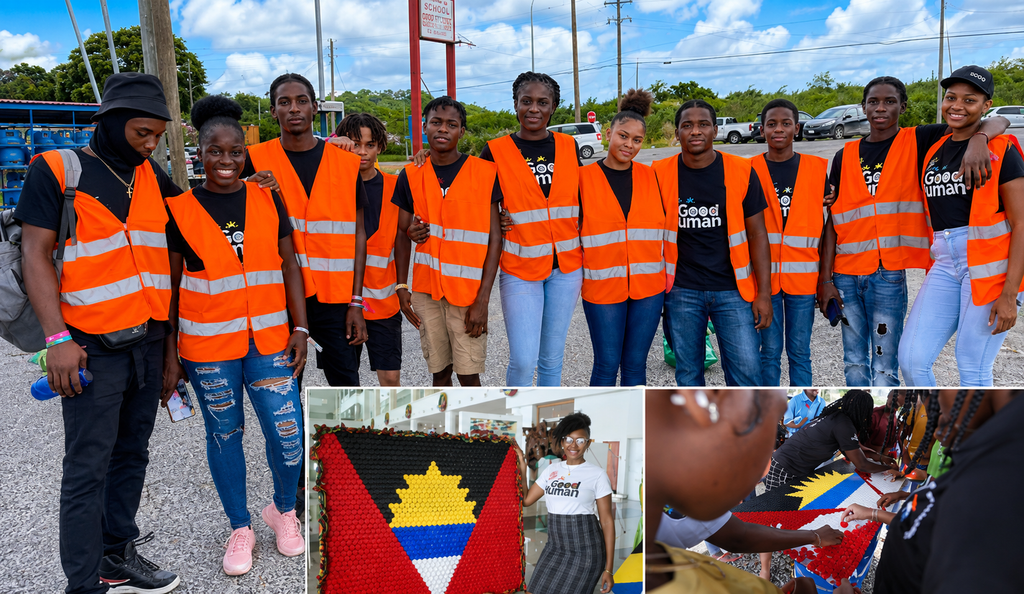
The Student Community Service Recycling Project helped make that connection visible. What began with four recycling bins at All Saints Secondary School in 2023 eventually expanded across schools throughout Antigua and Barbuda, engaging thousands of students and diverting millions of items from the waste stream.
Students were not simply being asked to collect bottles. They were being introduced to a different way of thinking about waste. If a plastic bottle still has value after someone has finished drinking from it, why throw it away?
If thousands of bottles can become hundreds of thousands of dollars within a functioning circular economy, why continue treating them only as garbage? Most importantly for Good Humans 268, could the economic value hidden inside waste eventually help create employment and other opportunities for persons with disabilities?
That question has become central to the organization’s vision. Good Humans 268 does not want disability inclusion to exist on one side of the organization and environmental work on another. The goal is to connect them. Better waste management can create opportunities in collection, sorting, processing, education, administration, farming, manufacturing, creative reuse and entrepreneurship. Those opportunities can intentionally include persons with disabilities.
This creates a very different conversation about recycling. What if a recycling programme could clean a community while simultaneously creating a job? What if environmental education could build skills? What if circular economy businesses could become pathways to economic independence for persons who have historically struggled to access traditional employment?
Project RED demonstrates why this economic connection matters. Good Humans 268 has seen firsthand how inaccessible infrastructure can affect a child’s independence, education and family. A young girl who could not independently use the bathroom at school became part of the reason accessibility could no longer remain an abstract conversation. For years, assistance was required simply because the physical environment had failed to accommodate her. What happens when that child reaches adulthood? What happens when school ends and employment becomes the next challenge? Fixing a bathroom matters enormously, but accessibility cannot stop at the bathroom door. Accessible education must eventually connect to accessible training, accessible employment and economic opportunity.
This is where waste becomes more than an environmental issue for Good Humans 268. The organization has spent years collecting and managing materials that demonstrate how much economic value is being lost. Millions of plastic bottles, cans and glass containers represent an environmental challenge, but they also represent an economic opportunity. Antigua and Barbuda spends money dealing with waste while valuable resources continue to leave the economy or accumulate within communities. What could happen if more of that value remained within the country? Could revenue generated through waste support sustainable employment? Could persons with disabilities become part of the workforce required to build a stronger circular economy? Could environmental problems become part of the solution to social exclusion?
The Sustainable Development Goals help explain why Good Humans 268’s disability and waste work belong together. SDG 4 speaks to quality education, something reflected in both accessible schools and environmental education. SDG 8 calls for decent work and economic growth, connecting directly to the vision of creating employment through circular economy activities. SDG 10 addresses reduced inequalities.
SDG 11 focuses on sustainable cities and communities. SDG 12 calls for responsible consumption and production, while SDG 13 addresses climate action. SDG 17 emphasizes partnerships, which are essential to turning small community programmes into sustainable systems. SDG 3, good health and well-being, is also relevant because poor waste management can contribute to unhealthy environments. These goals cannot truly be achieved independently. Environmental sustainability without social inclusion leaves people behind, while inclusion without economic opportunity remains incomplete.
The Disability and Equal Opportunities Act in Antigua and Barbuda and the United Nations Convention on the Rights of Persons with Disabilities, the UNCRPD, add another layer to this work. Disability inclusion cannot depend solely on kindness or charity. Persons with disabilities have rights to education, employment, accessibility, participation and equality. That means the question is not simply whether persons with disabilities can benefit from environmental programmes. The bigger question is whether they can participate in building and leading them. As Antigua and Barbuda develops new approaches to recycling, climate action and the circular economy, are persons with disabilities being considered from the beginning? Are accessible jobs being created? Are training opportunities inclusive? Are persons with disabilities represented in decision-making?
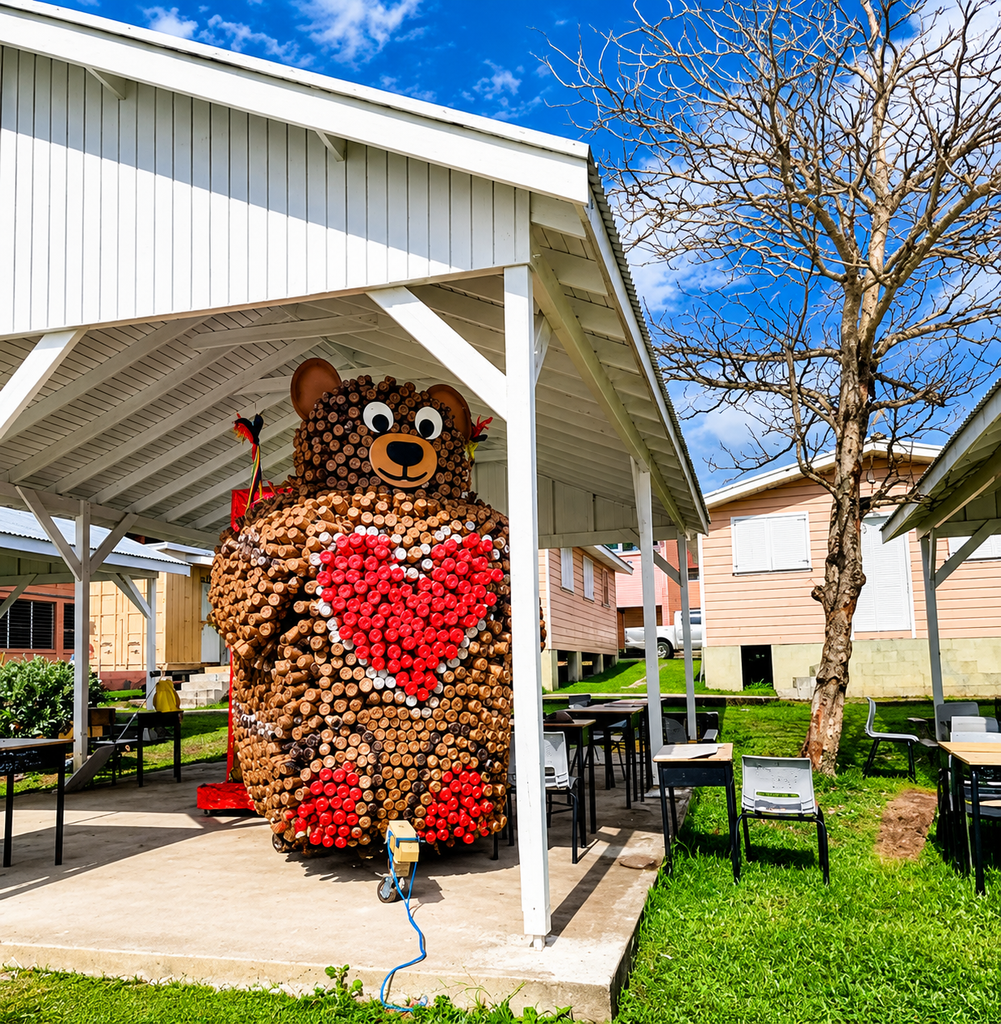
Good Humans 268 has also learned that changing systems requires changing how people think. Students collecting bottles, households separating recyclables, businesses improving waste practices, events diverting thousands of containers and volunteers sorting materials are all part of a larger cultural shift. Bottle caps can even become art and education, including the creation of flags that turn discarded materials into something capable of stopping people in their tracks. Waste becomes a conversation starter. A bottle becomes a lesson. A recycling bin becomes an opportunity to change behaviour. The objective is not simply to make people recycle; it is to make people excited about the possibilities hidden inside what was previously considered waste.
Perhaps that is where the strongest connection between disability and waste exists for Good Humans 268: both have required a different way of seeing value. A discarded bottle is not automatically worthless. A person who encounters barriers is not incapable. Sometimes the problem is not the bottle or the person; sometimes the problem is the system surrounding them. A bottle without a collection and processing system becomes garbage. A talented person without an accessible education, workplace or opportunity can become excluded from economic participation. What happens when better systems are built for both?
Good Humans 268 is therefore attempting something larger than recycling and something larger than disability advocacy. The organization is exploring what happens when both are intentionally connected. Can waste generate revenue? Can that revenue help create golden opportunities? Can environmental programmes create jobs and skills for persons with disabilities? Can students learn about recycling while simultaneously learning about inclusion? Can businesses become greener and more accessible at the same time? Can Antigua and Barbuda build a circular economy that does not leave persons with disabilities behind?
Those questions continue to shape the journey. Millions of discarded items have already demonstrated that waste has value. Disability advocacy has demonstrated that inaccessible systems can prevent people from reaching their full potential. Connecting the two creates a powerful possibility: a cleaner country that is also more inclusive, a circular economy that creates opportunities, and environmental action that deliberately includes persons with disabilities. At Good Humans 268, the mission is not simply to change what happens to waste. It is to use what has been learned from waste to help change what is possible for people.