
Know your numbers. Own your health
By Dr. Maurice Wright, MD, FACP
September 27 2026 | Community
For Health Month, I want to focus on a simple message: check it. Knowing your numbers, keeping up with screening and making changes to your daily habits can help you live a healthier life.
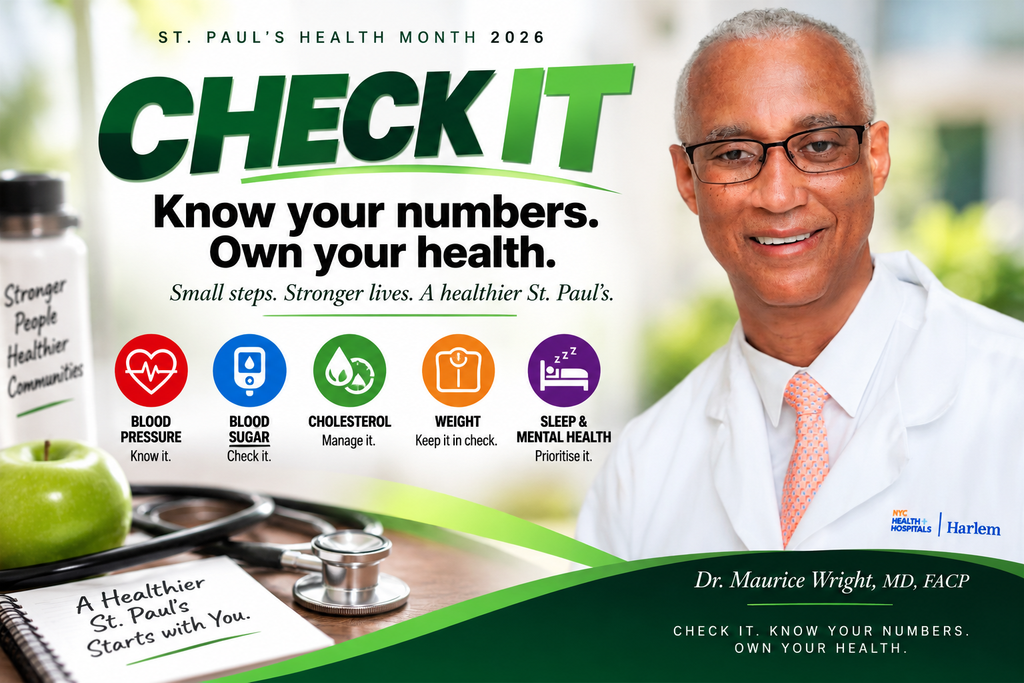
HEART DISEASE: KNOW YOUR NUMBERS
Heart disease remains a leading cause of death. High blood pressure, diabetes and high cholesterol are major contributing factors, which is why checking and managing these conditions is so important.
- Blood pressure: Knowing your blood pressure numbers is key to protecting your heart. Over time, uncontrolled high blood pressure can cause serious harm. The earlier it is identified and treated, the better.
- Blood sugar: With diabetes, the approach is similar. We want to detect elevated blood sugar early and take steps to manage it. Checking your levels is one part of the process; following through with treatment, diet and exercise is equally important.
- Cholesterol: Your cholesterol levels also deserve attention. LDL, or low-density lipoprotein, is often called “bad” cholesterol because it contributes to plaque buildup in the arteries. Lowering elevated LDL helps reduce the risk of atherosclerotic disease. HDL, or high-density lipoprotein, is another part of the cholesterol profile your doctor considers when assessing your risk.
By addressing these three areas – blood pressure, blood sugar and cholesterol – you give yourself a better chance of living a healthier life.

EARLY SCREENING: PSA AND MAMMOGRAMS
One area close to my heart is early cancer detection. For men, that means discussing PSA screening for prostate cancer. For women, it means keeping up with recommended mammograms for breast cancer. Early detection can make treatment more effective and improve outcomes.
- PSA and prostate cancer: For men in a high-risk group, PSA screening is beneficial. I consider measuring PSA one of the most important ways to keep track of prostate health, and having those results followed by your doctor is essential.
Family history and inherited risk are key considerations, particularly for Black men. Men in high-risk groups should discuss screening and ongoing monitoring with their doctor.
- Mammograms and breast cancer: There are established recommendations for when women should begin mammograms and how often they should have them. Although some recommendations have been debated, mammography remains an important tool for early detection. Comparing current and previous images can help identify changes that need further examination.
DIET, WEIGHT AND OVERALL HEALTH
I cannot express enough how important diet and exercise are in managing high blood pressure and diabetes. They must be part of any approach to improving your health.
- Eat well: What you eat affects your blood sugar, cholesterol and weight. A healthy diet is an important part of managing diabetes and reducing cardiovascular risk.
- Maintain a healthy weight: Weight management is especially important for people with high blood pressure or diabetes. It can make a meaningful difference in how these conditions are controlled.
- Pay attention to your waist: Waist circumference is another indicator of cardiovascular risk. Carrying excess weight around the abdomen is associated with a greater risk of heart disease.
EXERCISE: MAKE MOVEMENT PART OF YOUR LIFE
Walking is a key component of better health. A brisk walk that raises your heart rate can be a practical way to build regular physical activity into your routine. Work toward walking for half an hour or more, according to your ability and health.
Walking is not the only option. Choose a form of exercise that suits you and that you can do consistently. The goal is to make movement part of everyday life.
Checking your numbers is the starting point. Following through with treatment, recommended screening, healthier eating and regular exercise is what helps improve your health over time.
Check it. Know your numbers. Own your health.
