
By Dr. A. Jerry Simon M.D.
July 19 2026 | Health
Cannabis (Marijuana) has stepped out of the shadows, transitioning from counterculture symbol to a serious subject of clinical inquiry. With many countries decriminalizing Cannabis for general and legalizing it for medical use, we are separating the “high” from the “heal.” Yet this is potent bioactive medicine, not a benign garden herb, and its therapeutic potential demands both respect and rigorous oversight.
Our bodies are equipped with an endocannabinoid system, a cell-signalling network that regulates pain, sleep, appetite, and mood. Cannabis contains over one hundred phytocannabinoids, but two take centre stage: Tetrahydrocannabinol (THC), the psychoactive compound, offers profound pain relief, suppresses chemotherapy-induced nausea, and stimulates appetite. Cannabidiol (CBD), by contrast, is not psychoactive but powerfully reduces inflammation, quells anxiety, and has proven remarkably effective against certain seizure disorders. These compounds, along with aromatic terpenes, work synergistically in what scientists call the entourage effect.
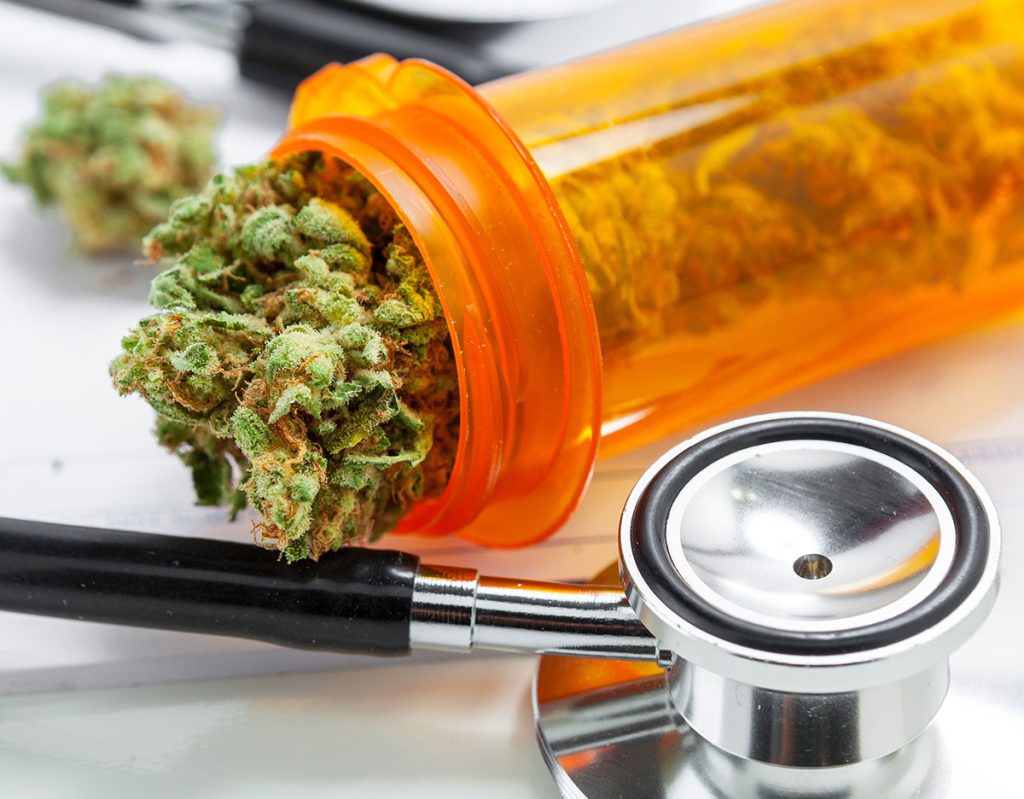
The evidence for specific applications grows stronger each year. For chronic pain, studies demonstrate a thirty to forty percent reduction in pain scores, positioning cannabis as a viable opioid alternative for arthritis, fibromyalgia, and neuropathic conditions. For several years THC has been used for nausea and vomiting for patients receiving chemotherapy. Patients with multiple sclerosis often experience significant relief from muscle spasticity using THC-CBD sprays.
Perhaps the most definitive data concerns epilepsy. Cannabis and several cannabis formulations have proven effective in the management of treatment-resistant childhood seizures. In anxiety and stress, low-dose CBD enhances serotonin signalling, though a critical paradox emerges; high-dose THC can actually trigger panic, making strain selection paramount. For sleep, low THC or CBD shortens the time it takes to fall asleep, though nightly use can suppress restorative sleep, so short-term application is wisest. Even the skin benefits; topical creams do not enter the bloodstream yet reduce acne, soothe psoriasis, and act as local antioxidants.
Newer studies are showing benefits of Cannabis use for patients with attention deficit hyperactivity disorder (ADHD) and autism spectrum disorder (ASD).
But here lies the essential caution. Cannabis is not one-size-fits-all. It inhibits the liver enzyme system responsible for metabolizing blood thinners, anti-epileptics, and sedatives, meaning dose adjustments are non-negotiable. In individuals with a family history of schizophrenia or bipolar disorder, THC can trigger acute psychosis or mania. It raises heart rate and lowers blood pressure, requiring vigilance in cardiac patients. Daily use leads to tolerance, and abrupt cessation can bring irritability, insomnia, and appetite loss. Cannabis is contraindicated in pregnancy, as cannabinoids cross the placenta and enter breast milk.
This is not a self-prescription project. Before purchasing any product, consult your physician. Ask about drug interactions, the ideal THC-to-CBD ratio for your condition, the safest route of administration, and always start low and go slow, titrating by tiny increments. Cannabis is a precision instrument, not a panacea. Its benefits in pain, spasms, epilepsy, and anxiety are real, but so are its risks. Use it with data, with respect, and always under medical supervision.
Dr. Simon can be contacted at NSA Medical Centre at (268) 462-0631 or (268) 779-2176.