
SUNDAY, NOVEMBER 8, 2026 · ISSUE 113
As Antigua and Barbuda celebrated 45 years of Independence on November 01, I found myself pondering a word we use so frequently, yet perhaps seldom stop to examine.
Independence
“I’m independent!”
We’ve all heard someone say it. Perhaps we’ve said it to ourselves. We pay our bills, make our own decisions and manage our responsibilities.
But what does “Independence” actually mean?
According to the Merriam-Webster Dictionary, independence is “the quality or state of being independent,” with independent including the meaning of being free from the control, influence or support of others.
For our nation, Independence meant gaining the freedom to govern ourselves, make our own decisions and determine our future after years of British colonial rule.
And that is certainly worth celebrating!
But the celebrations sparked a little curiosity in me.
The part that got to me the most was the word “support”
Because if independence means being free from the support of others… how many of us can truly claim to be independent?
Think about it.
We rely on farmers for food, teachers for education, healthcare professionals when we’re ill, and countless other individuals who contribute to our daily lives.
Even independent nations depend on international cooperation, trade and relationships… After all, no man is an island!
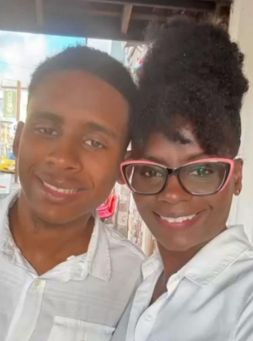
As I continued to ponder the different aspects of independence, my mind wandered to Nickolas.
As the mother of an autistic young adult, independence is something I often think about.
Can he manage his finances? Travel safely? Make decisions? Navigate friendships? Live with greater autonomy?
I found myself overwhelmed with the idea of creating a great level of independence for Nickolas… which come to think of it is actually impossible.
Impossible because even neurotypicals require support…at least at some point in their lives. So why not people on the spectrum who may not understand the basic concepts that govern the world they live in.
Thought provoking, right?
Was I measuring independence by how little support Nickolas needs, or by how much freedom he has to make choices about his own life?
And that is the real question…I needed to consider.
Am I creating an environment where Nickolas has the freedom to make his own decisions…well as much as his condition will allow?
Am I?
As I would have articulated in several of my articles, Nickolas wants many of the same things other young adults want, friendships, opportunities, meaningful activities.
But sometimes he may require assistance or rather support to accomplish those things.
Does this injection of support make his independence any less meaningful?
Absolutely not!
Perhaps I had been looking at independence through a rather narrow lens.
An autistic young adult who needs assistance with transportation can still decide where they want to go. Someone who requires support managing money can still have a say in how it is spent.
Support does not automatically remove independence. In many circumstances, it makes independence possible.
And that brings me right back to our national celebrations.
We proudly celebrate our freedom as a nation. But are we creating opportunities for autistic citizens to exercise greater freedom in their own lives?
Are our schools preparing students for adulthood? Are our communities creating opportunities for participation? Are we allowing our children to try, make mistakes, and grow?
Independence isn’t always about standing alone.
Sometimes it’s about having the freedom to stand, knowing that support is available when needed.
So perhaps the question I should be asking isn’t simply, “Can he do it alone?”
Perhaps it’s, “Am I and by extension my community, giving him the freedom to try, the opportunity to choose and the support to succeed?”
Now, isn’t that something worth thinking about?
An appeal to parents: Whether your child was recently diagnosed or you have been navigating this journey for years, you do not have to do it alone. We all need support… sometimes simply a listening ear from someone who understands without judgment. I invite you to reach out and become part of our Super Parents community, where we can learn from, encourage and support one another.