
SUNDAY, NOVEMBER 8, 2026 · ISSUE 113
By Dr. A. Jerry Simon, M.D.
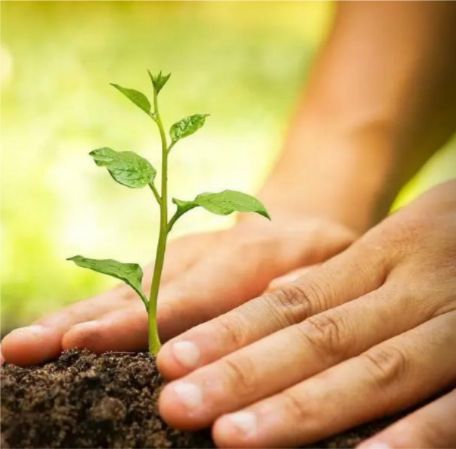
In the gardens and hillsides of Antigua and Barbuda grows a powerful, living pharmacy. The tradition of using plants like neem, aloe vera, soursop, and mango leaves for wellness is far more than folklore; it is a cornerstone of cultural heritage, a promising economic sector, and a foundation for sustainable health.
Roots in Culture and Nature
This knowledge is a direct link to the islands’ African heritage and is recognized as vital “Traditional Knowledge” worthy of protection and preservation. Today, it is actively being documented through a national UNESCO-funded project aiming to safeguard “bush medicine” and other cultural practices from being lost. Entrepreneurs like Novella Payne (Granma Aki) are already leading the way, transforming traditional recipes using soursop, lemongrass, and moringa into modern teas and syrups. Noted Antiguan physician Dr. Jose Humphryes, and Dominican naturopath Robert Olivacii (Ras Bobby) have been promoting the healing properties of our local plants for many years.
A Holistic Approach to Health
Scientifically, herbal medicine offers a gentler, more holistic approach compared to synthetic drugs. While pharmaceuticals target specific symptoms, plant remedies often work broadly to support the body’s own healing systems with minimal adverse effects. Research highlights that many medicinal plants are effective through antioxidant activities, beneficial for conditions like diabetes and cardiovascular diseases. Worldwide, many patients are hospitalized and even die due to side effects of conventional medicines, even when taken exactly as prescribed. With natural use of plants for medicinal purposes, this situation is much reduced.
Growing Opportunity and Sustainable Future
This tradition is fertile ground for green entrepreneurship. Regional initiatives like the Eastern Caribbean Greenpreneurs program provide funding for sustainable businesses, and local ventures like “West Indies Botanicals Ltd.” in Antigua are creating health products from indigenous plants.
The government is also fostering a new, regulated industry, graduating its first cohort of trained professionals in the medicinal cannabis sector. This move not only creates economic opportunity but also rectifies historical injustices, granting the Rastafari community sacramental rights to cultivate cannabis.
A Path Forward
The integration of medicinal plants into Antigua and Barbuda’s future is a model of sustainability. It promotes cultural resilience, economic self-reliance and health sovereignty. It will preserve irreplaceable knowledge for future generations, create jobs and businesses rooted in local resources and develop accessible, natural wellness solutions.
By honouring this green wisdom, Antigua and Barbuda nurtures a healthier population, a stronger cultural identity, and a more resilient economy, proving that the best remedies often grow right at home.
Dr. Simon can be contacted at the NSA Medical Centre at (268) 462 0632 or (268) 779 2176.
One Response