
Understanding Dark Spots, Prevention, and Protecting Melanin Rich Skin
By Leslie Nesbitt
July 27 2026 | SKINTIPZ

Why Hyperpigmentation Awareness Month Matters
Every July, dermatology professionals around the world recognize Hyperpigmentation and Melasma Awareness Month to educate the public about one of the most common skin concerns affecting millions of people worldwide. The campaign highlights the importance of understanding why dark spots develop, how they can be prevented, and why early intervention leads to better long term results. (JDDonline)
Hyperpigmentation occurs when the skin produces excess melanin after inflammation, sun exposure, hormonal changes, or injury. Although it can affect every skin tone, it is especially common in people with melanin rich skin because our skin naturally responds to inflammation by producing more pigment. (MedlinePlus)
Hyperpigmentation Awareness Month is not about changing your natural complexion. It is about protecting healthy skin, preventing unnecessary discoloration, and helping people understand that many dark spots can be avoided.
Why This Matters in the Caribbean
Hyperpigmentation is especially relevant throughout the Caribbean because several triggers are part of everyday life.
We experience strong sunlight, heat, humidity, perspiration, insect bites, acne, shaving irritation, and ingrown hairs. Each of these can create or worsen inflammation.
Regional climate guidance has reported high to extremely high ultraviolet levels throughout much of the Caribbean. Clear sky forecasts for several Caribbean islands have also recorded ultraviolet index values around 12, which falls within the extreme category.
This does not mean that the sun is responsible for every form of hyperpigmentation. Acne, hormonal changes, inflammation, injury, and irritation are also major causes.
However, sunlight can darken existing pigmentation and make it more difficult for discoloration to fade.
Bottom Line
Hyperpigmentation Awareness Month reminds us that dark spots do not begin when they become visible.
Protect the skin you have. Prevent the marks you do not need. Preserve your glow every day.
Ask Leslie
Do darker skin tones really need sunscreen?
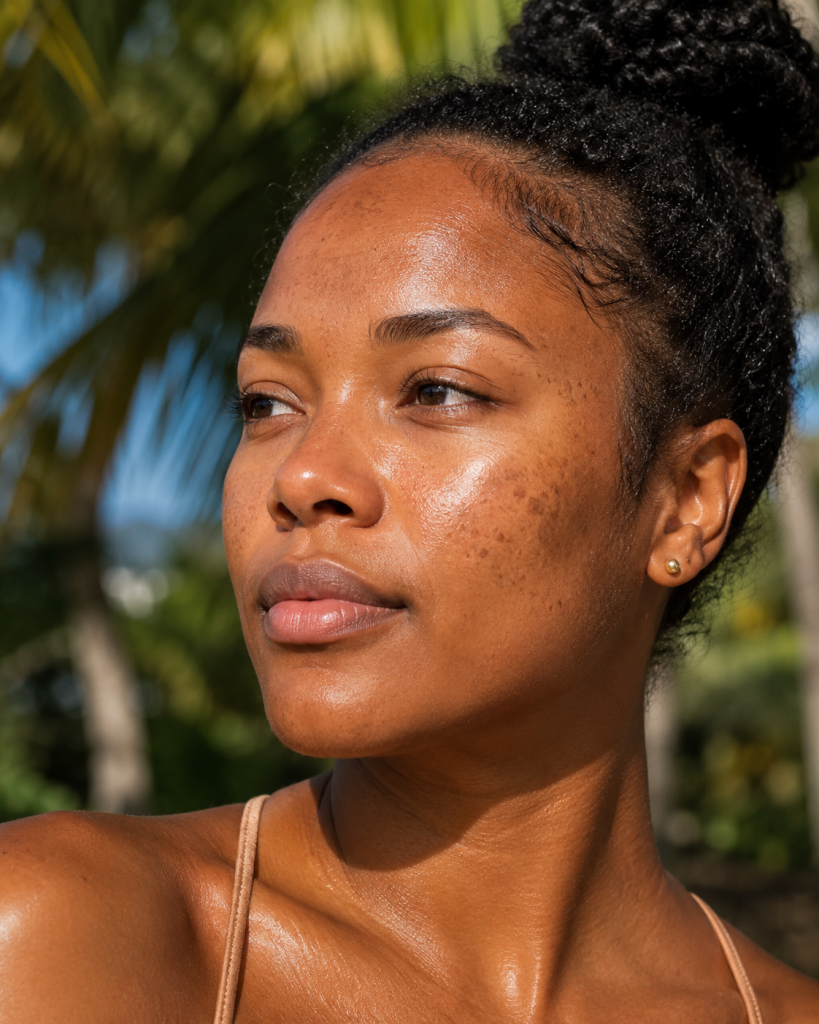
Yes. Melanin provides some natural protection, but it does not completely prevent ultraviolet damage, sunburn, premature aging, skin cancer, or the worsening of pigmentation.
People with melanin rich skin can still develop ultraviolet related damage and should use daily sun protection.
Can hyperpigmentation disappear completely?
Some pigmentation gradually fades once the trigger has stopped and the skin is protected.
Other forms, including melasma and deeper pigmentation, may be persistent and require professional treatment and long term management.
A proper assessment is important because acne marks, melasma, sun related pigmentation, and irritation related discoloration should not automatically be treated in the same way.
Some forms of hyperpigmentation gradually fade over time, while others may persist for months or years without treatment. Early intervention and daily sun protection often improve outcomes.
Product Spotlight
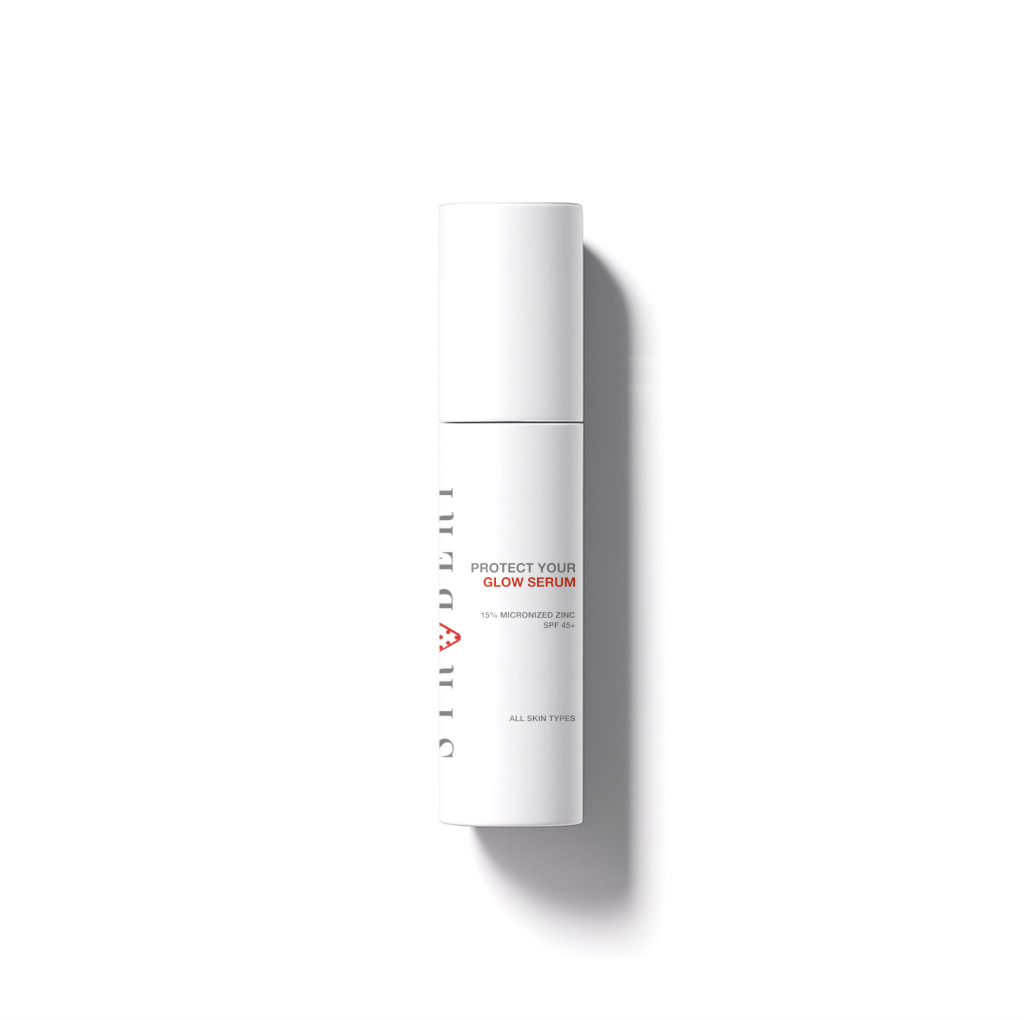
Straberi Protect Your Glow SPF 45
Protect Your Glow SPF 45 Plus is designed to support daily sun protection while helping defend melanin rich skin against the ultraviolet exposure that can deepen uneven pigmentation.
It should be applied as the final step of the morning skincare routine and reapplied when extended outdoor exposure, perspiration, or swimming occurs.
Daily sunscreen does not erase hyperpigmentation overnight. Its role is to protect the progress being made by the rest of your skincare routine.
Without consistent protection, the skin may continue receiving the same signal that contributed to the
discoloration.
Beauty Tip of the Week
Do not judge a pigmentation treatment only by how quickly it fades an existing spot.
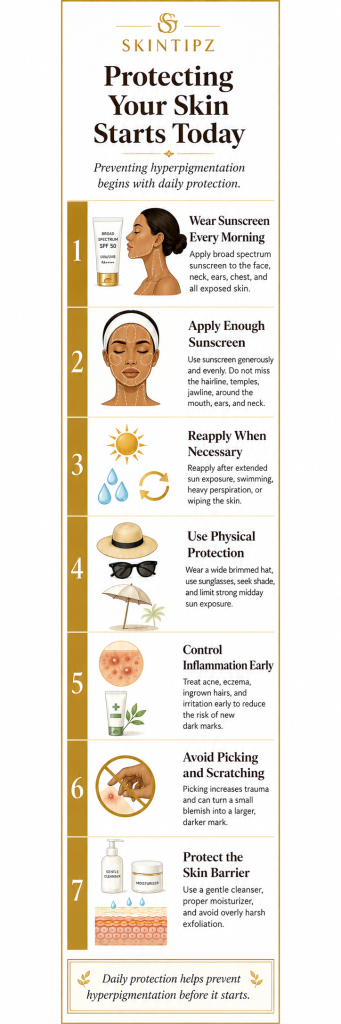
A complete routine should also help prevent new marks by protecting the skin from ultraviolet exposure, controlling inflammation, and maintaining a healthy skin barrier.
Ingredient Spotlight
Micronized Zinc Oxide
Micronized zinc oxide is a mineral sunscreen ingredient that helps protect the skin from ultraviolet radiation.
It provides broad spectrum protection against UVA and UVB exposure and is often suitable for sensitive or easily irritated skin.
Why It Matters
UVA rays contribute to premature skin aging and can worsen pigmentation.
UVB rays are strongly associated with sunburn and direct skin injury.
Consistent broad spectrum protection helps prevent existing dark marks from becoming more visible while supporting the skin’s natural recovery process.