
Understanding the Skin Condition Before You Treat It
By Leslie Nesbitt Beauty Expert
July 19 2026 | Lifestyle
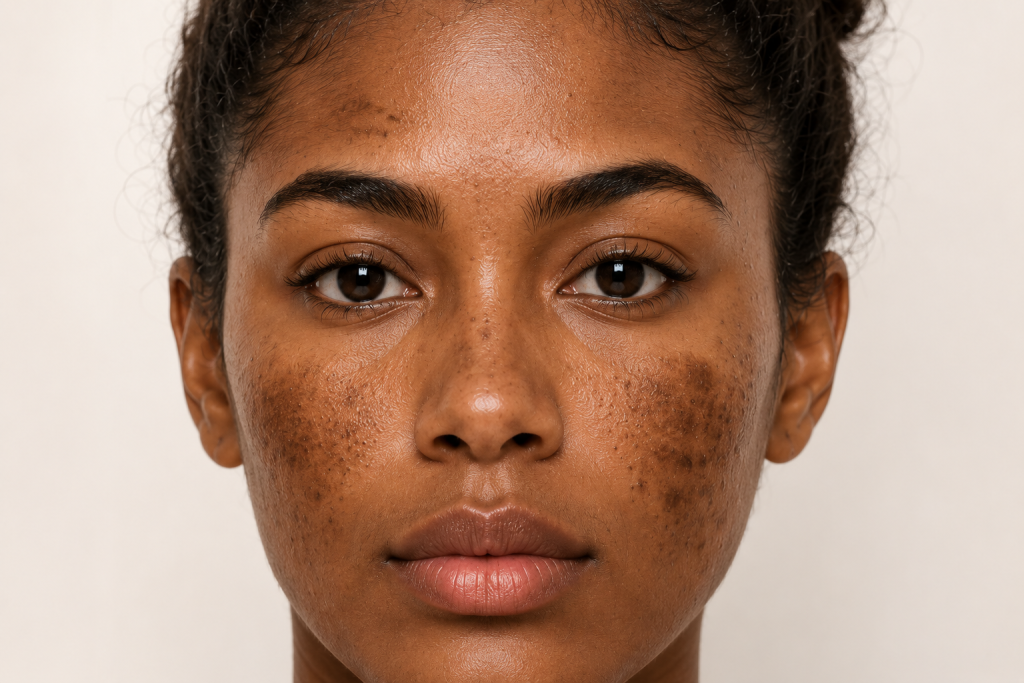
Hyperpigmentation is one of the most common skin concerns affecting people of every age, ethnicity and skin type. It occurs when the skin produces too much melanin, the natural pigment responsible for the colour of our skin, hair and eyes.
When the skin becomes inflamed or is exposed to ultraviolet light, specialised cells called melanocytes can produce excess melanin. Instead of fading quickly, that pigment remains in the skin, creating flat brown, black or gray patches that many people call dark spots.
Hyperpigmentation is not dangerous, contagious or a sign of poor hygiene, but it can have a significant impact on self-confidence and quality of life.
What Causes Hyperpigmentation?
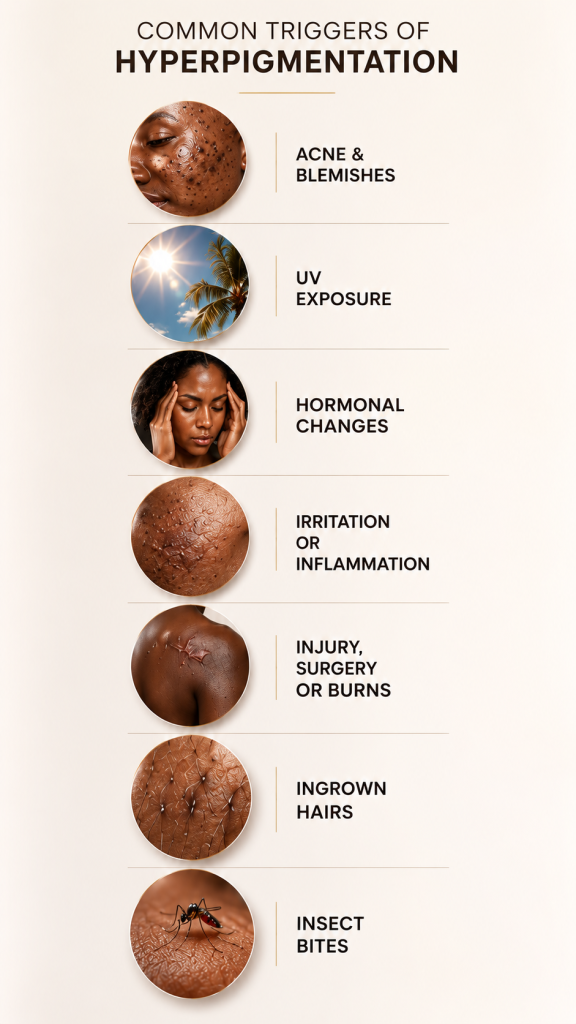
Many people believe hyperpigmentation only comes from acne, but there are many different causes.
Some of the most common include:
- Sun exposure
- Acne breakouts
- Hormonal changes such as melasma
- Insect bites
- Ingrown hairs
- Burns
- Eczema
- Picking or scratching the skin
- Certain medications
Clinical Insight
Since moving to Antigua, I have noticed that hyperpigmentation is one of the most common concerns among Caribbean patients. Our beautiful sunshine is one of our greatest assets, but year-round ultraviolet exposure means that even small amounts of inflammation can produce noticeable pigmentation in melanin-rich skin.
There Is More Than One Type
Not all hyperpigmentation is the same.
Some dark spots appear after inflammation, known as post-inflammatory hyperpigmentation.
Others develop because of hormones, such as melasma.
Some are caused primarily by years of accumulated sun exposure.
Understanding what type of pigmentation you have is one of the most important steps in choosing the right treatment.
Trying random products without knowing the cause often leads to disappointment.
Bottom Line
Hyperpigmentation is not a single condition. It is the skin’s response to different types of injury, inflammation, hormones and ultraviolet exposure. The better you understand why it happened, the better your chances of successfully treating it.
Beauty Tip of the Week
The first step in treating pigmentation is identifying what caused it. Treating melasma is different from treating acne marks, and both are different from treating sun damage.
Ingredient Spotlight: Vitamin C
Vitamin C is one of the most researched antioxidants in skincare.
Benefits
- Gently exfoliates while cleansing
- Helps improve rough skin texture
- Leaves skin feeling soft and refreshed
- Supports a healthier skin barrier
- Suitable for daily use
Ask Leslie
Can hyperpigmentation disappear on its own?
Some forms of hyperpigmentation gradually fade over time, while others may persist for months or years without treatment. Early intervention and daily sun protection often improve outcomes.
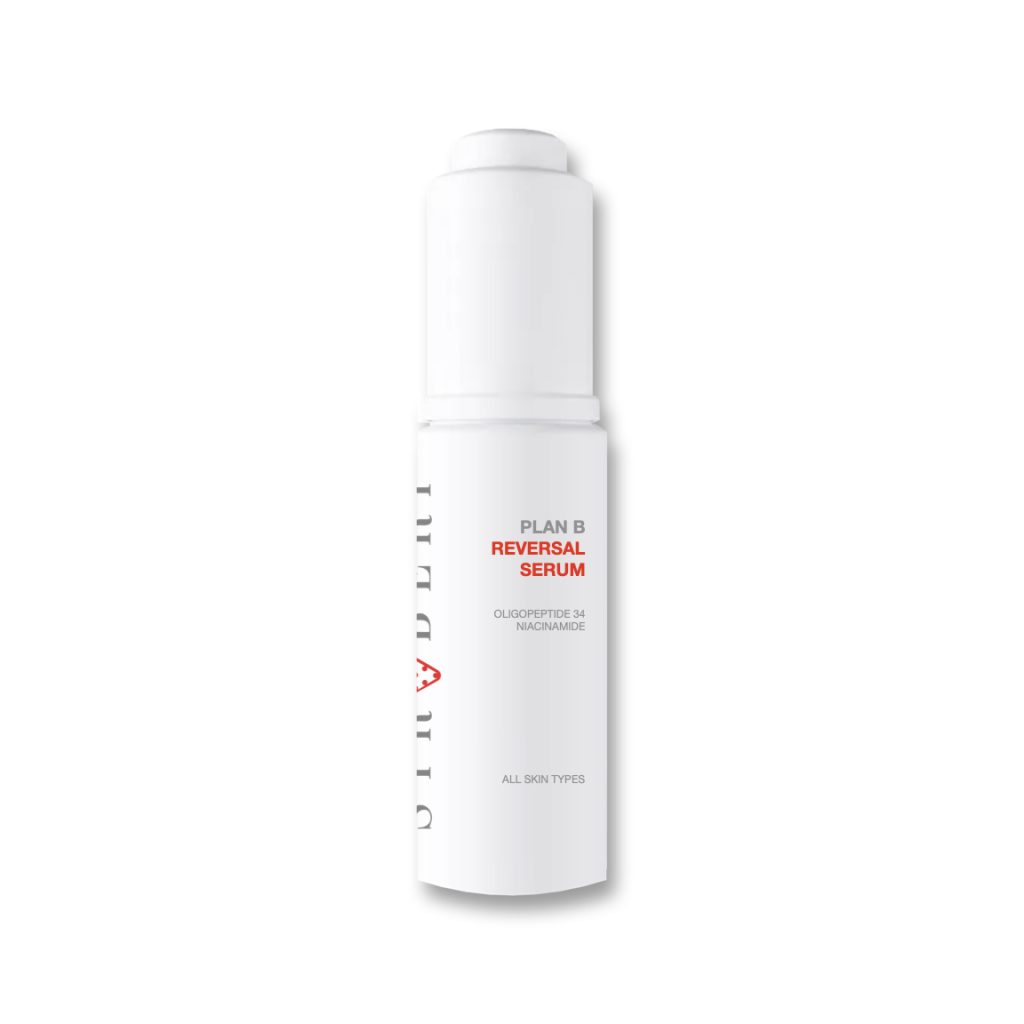
Product Spotlight: Straberi Reversal Serum
Formulated to help improve the appearance of uneven skin tone while supporting brighter, healthier-looking skin.

Skin Science Column Beauty Expert
Founder of USI & Straberi Skincare