
By Hon E. P. Chet Greene
July 19 2026 | Local
Min. Greene dismissed criticism that the Government should have immediately rejected the U.S. proposal, arguing that diplomacy requires dialogue, legal analysis and careful negotiation rather than political rhetoric.
“Leadership is not measured by how loudly a government speaks. It is measured by how well it protects the interests of its people,” he said.
He told Parliament that the Government thoroughly examined the proposals, sought legal advice, consulted senior officials and assessed the implications before rejecting provisions that were not in Antigua and Barbuda’s best interests.
According to Greene, the Government’s negotiating position was guided by five non-negotiable principles, including preserving Antigua and Barbuda’s sovereign authority over every individual case, rejecting any permanent transfer programme, protecting the country from legal, financial and security risks, ensuring taxpayers would not bear the cost of another country’s immigration policy and securing reciprocal benefits from any arrangement.
The minister also sought to clarify misconceptions surrounding the Memorandum of Understanding signed with the United States in December 2025.
He emphasized that the agreement does not obligate Antigua and Barbuda to receive any individual and does not establish a permanent transfer programme.
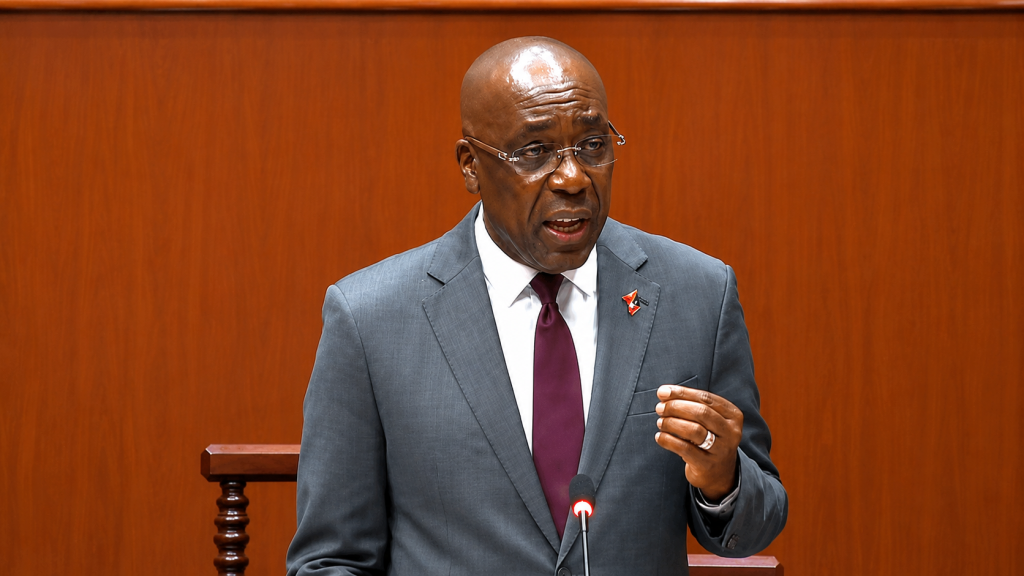
“The memorandum did not commit Antigua and Barbuda to receive a single person. It did not establish a programme. It did not create a legal obligation,” Greene said.
He revealed that the Government rejected the original operating procedures proposed by U.S. authorities because they failed to satisfy Cabinet’s requirements, particularly concerning legal liability, financial responsibility and security safeguards.
Rather than ending discussions, Antigua and Barbuda submitted its own counterproposals, significantly strengthening protections for the country.
Among the changes demanded were limiting consideration to individuals with final removal orders, excluding anyone with criminal records beyond immigration offences, barring unaccompanied minors and asylum applicants, requiring complete documentation before any decision and ensuring the United States accepts full financial responsibility for any approved transfers.
Min. Greene also disclosed that the Government rejected an initial proposal allowing up to 10 transfers each month. Instead, Antigua and Barbuda proposed limiting consideration to no more than 10 individuals for the entire 2026 calendar year, with any future arrangements subject to a comprehensive review.
“We changed the framework. We set safeguards. We narrowed the categories. We reduced the numbers. We insisted upon complete information. We insisted upon complete funding,” Greene said.
“That is not capitulation. That is negotiation. That is the essence of diplomacy.”
The minister also commended Antigua and Barbuda’s Ambassador to the United States, Sir Ronald Sanders, for leading the negotiations under the direction of Prime Minister Gaston Browne.
Min. Greene praised the ambassador for carefully reviewing each proposal, identifying legal and security concerns and firmly defending Antigua and Barbuda’s interests during discussions with senior U.S. officials.
“He did not yield where the national interest required firmness,” Greene said.
Concluding his address, Greene reaffirmed the Government’s commitment to maintaining its longstanding friendship with the United States while making it clear that Antigua and Barbuda’s sovereignty remains non-negotiable.
“Our friendships are valuable and will be cherished,” he said. “But genuine friendship is built on mutual respect, and Antigua and Barbuda’s sovereignty is not negotiable.”
“It never has been and it never will be.”